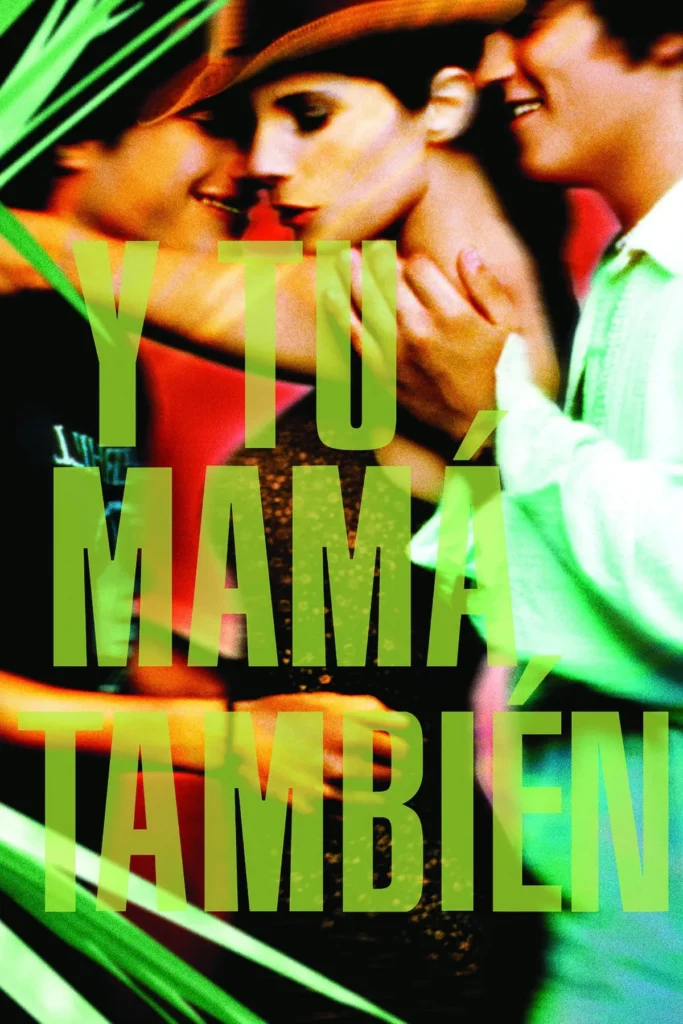
Y tu mamá también
Of Alfonso Cuarón’s non-blockbuster work, Y tu mamá también may be the film I respond to most. It’s a tender, deceptively simple road movie about youth, impermanence, and the realization that life keeps moving whether we’re ready for it or not.
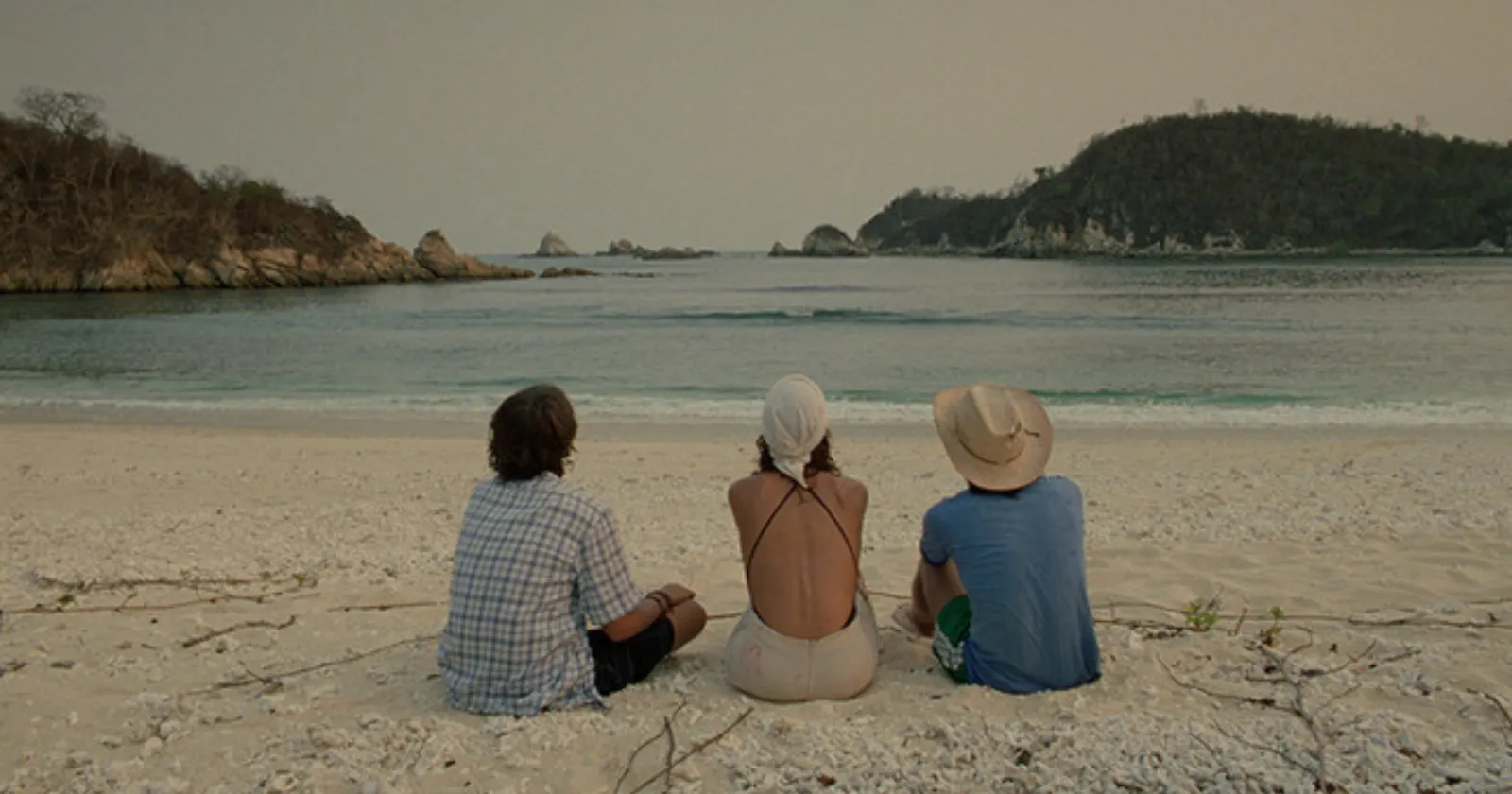 Still from Y tu mamá también (2001)
Of Alfonso Cuarón’s non-blockbuster work, Y tu mamá también may be the film I respond to most. Unlike some of his larger or more overtly ambitious projects, this one never strains for grandeur. Instead, it’s a tender, deceptively simple road movie about youth, impermanence, and the realization that life keeps moving whether we’re ready for it or not. It sneaks up on you, gradually revealing itself as a meditation on growing older and appreciating the fleeting connections that shape us along the way.
The film follows Julio (Gael García Bernal) and Tenoch (Diego Luna), two teenage friends who embark on a spontaneous road trip with Luisa (Maribel Verdú), the wife of Tenoch’s older cousin. What begins as a sex comedy gradually reveals a deeper emotional undercurrent as all three characters navigate desires, insecurities, and realities they aren’t fully equipped to handle. In many ways, it’s the closest foreign-language film I’ve seen to Call Me By Your Name, balancing youthful lust with a lingering sense of melancholy and self-discovery.
Set against the backdrop of political and social unrest in late-1990s Mexico, the film is aided by Daniel Giménez Cacho’s understated narration, which provides just enough context without overwhelming the story. Cuarón’s direction feels refreshingly intimate and unforced, embracing a boots-on-the-ground style that makes the film feel more personal and immediate than much of his later work. The quiet unraveling of friendships, relationships, and youthful certainty lands because Cuarón never feels the need to underline it.
I’ve often felt a degree of emotional distance from Cuarón’s films, and that isn’t entirely erased here. Still, Y tu mamá también helps illuminate why he became such a significant international filmmaker. It feels more human than some of his recent high-art work and more emotionally grounded than his blockbuster efforts. Smaller in scale than the films that would follow, but richer for it. It’s an intimate, thoughtful coming-of-age story that lingers long after the road trip ends—and one that makes me think it might be time to revisit Children of Men.