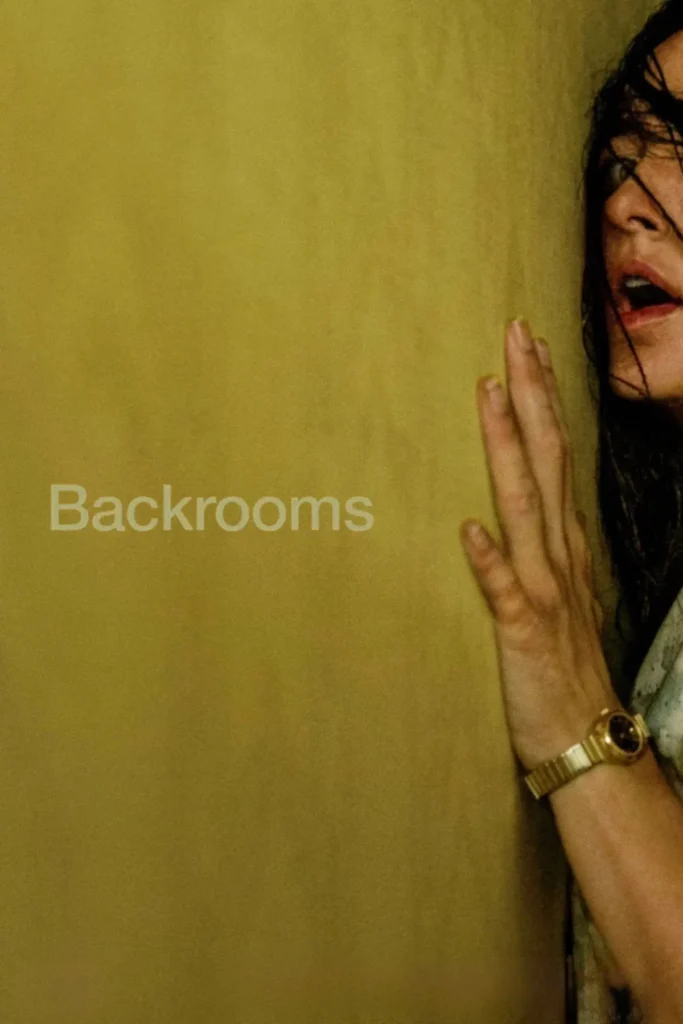
Backrooms
Backrooms works best as pure liminal horror, where the unpredictability of the camera and environment creates constant tension. Kane Parsons has a remarkable eye for unsettling imagery.
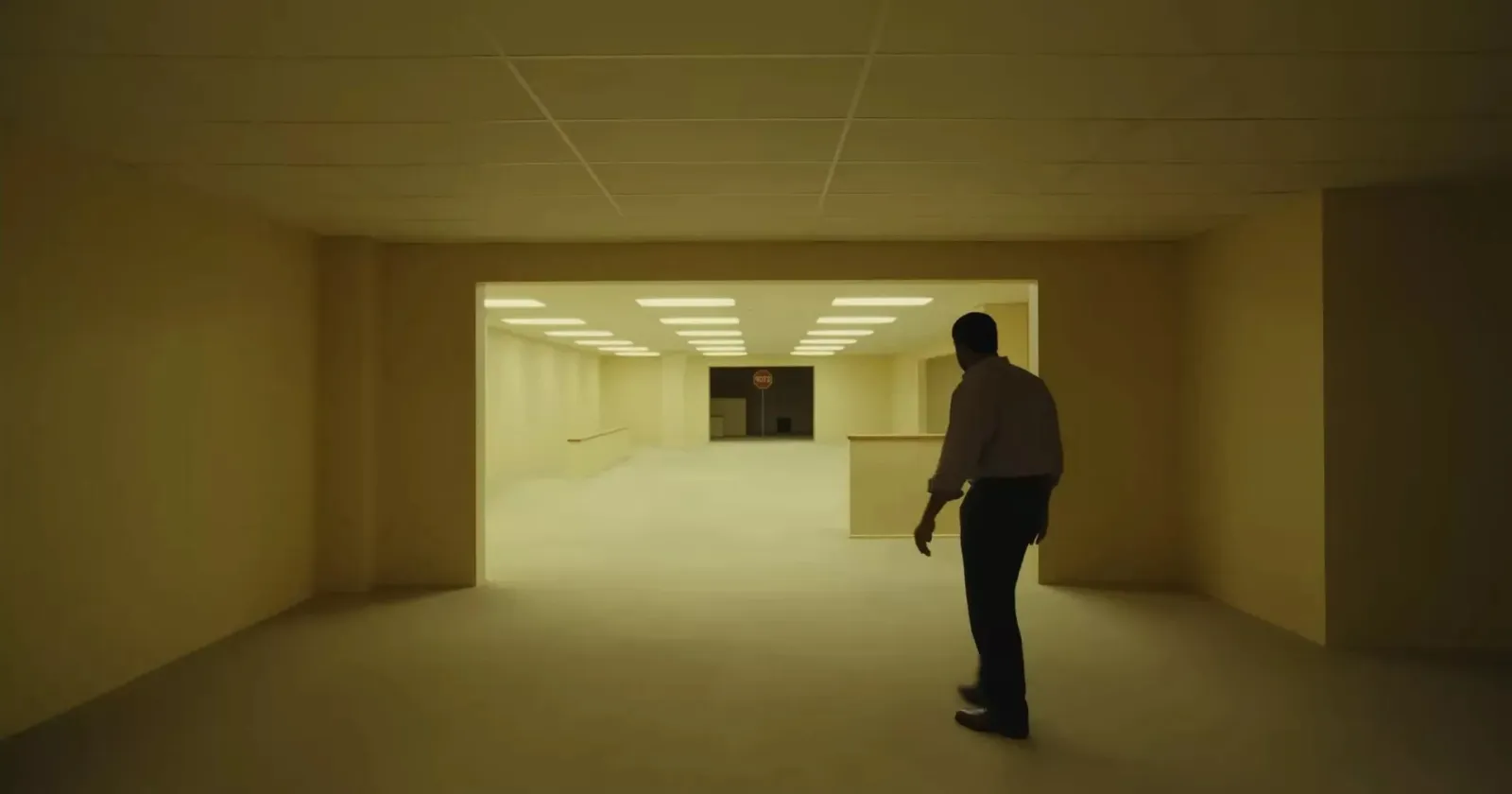 Still from Backrooms (2026)
Kane Parsons’ viral creepypasta phenomenon The Backrooms makes the jump from YouTube to the big screen, with the young filmmaker becoming A24’s youngest feature director in the process. As someone who finds the concept of the backrooms deeply unsettling, this was one of my most anticipated horror movies of the year. The good news is that Parsons’ visual style translates to a theatrical setting with almost disturbing ease. A24 reportedly built over 30,000 square feet of practical backrooms sets, and Parsons and cinematographer Jeremy Cox use every inch of them to create a genuinely unnerving experience. When the film is at its best, you’re trying to peer around corners and anticipate what might be lurking just out of frame.
The story follows Clark (Chiwetel Ejiofor), a struggling furniture store owner dealing with alcoholism, anger issues, and the collapse of his relationship. After discovering a hidden passage into the mysterious yellow corridors beneath his store, he disappears, prompting his therapist, Mary Kline (Renate Reinsve), to venture into the backrooms in search of him. The film works best as pure liminal horror, where the unpredictability of the camera and environment creates constant tension. Parsons has a remarkable eye for unsettling imagery and can stage a terrifying tracking shot as well as many established horror directors.
Where the film stumbles is in its storytelling. The mythology of the backrooms and the role of Async, a research institute investigating the phenomenon, ultimately feel underdeveloped despite their apparent importance. Instead, Parsons pivots toward a story about shared trauma, with the backrooms acting as distorted manifestations of Clark and Mary’s most painful memories. The idea is interesting, but the film often explains its themes too directly. A key dinner scene roughly midway through the film, along with much of what follows, feels overly heavy-handed and drains some of the mystery that makes the backrooms so compelling in the first place.
There will inevitably be comparisons to Kubrick, particularly in the way Parsons uses space, isolation, and camera movement to evoke dread. But where films like The Shining trust viewers to sit with their themes, The Backrooms spends too much time spelling them out. Ultimately, it’s a good movie, but one that left me somewhat disappointed given how high my expectations were. The creepypasta elements are genuinely effective and often terrifying, but the story’s focus on trauma and therapy feels less fresh than the world Parsons has created. The lore remains largely unanswered, and the film is ultimately more interested in unpacking its themes than embracing the weird, unpredictable insanity that made the original concept so captivating.
Similar Reviews