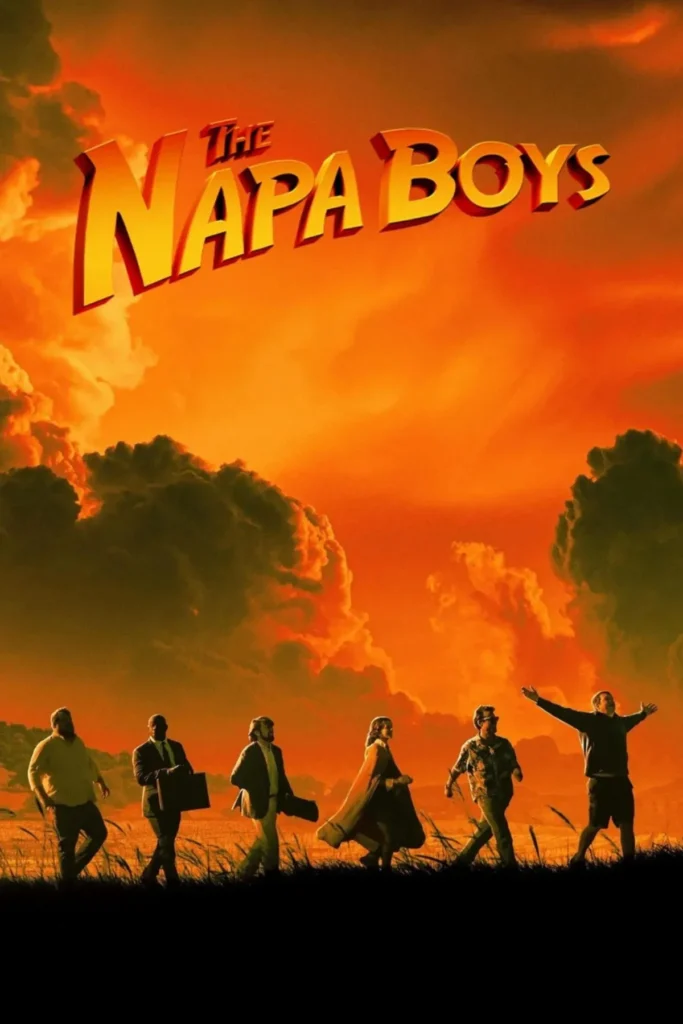
The Napa Boys
The tone of The Napa Boys feels like Sideways colliding with NSFW Wet Hot American Summer and a late-night YouTube rabbit hole. It’s aggressively silly, purposefully crass, and likely to alienate viewers who prefer their comedy a little less chaotic.
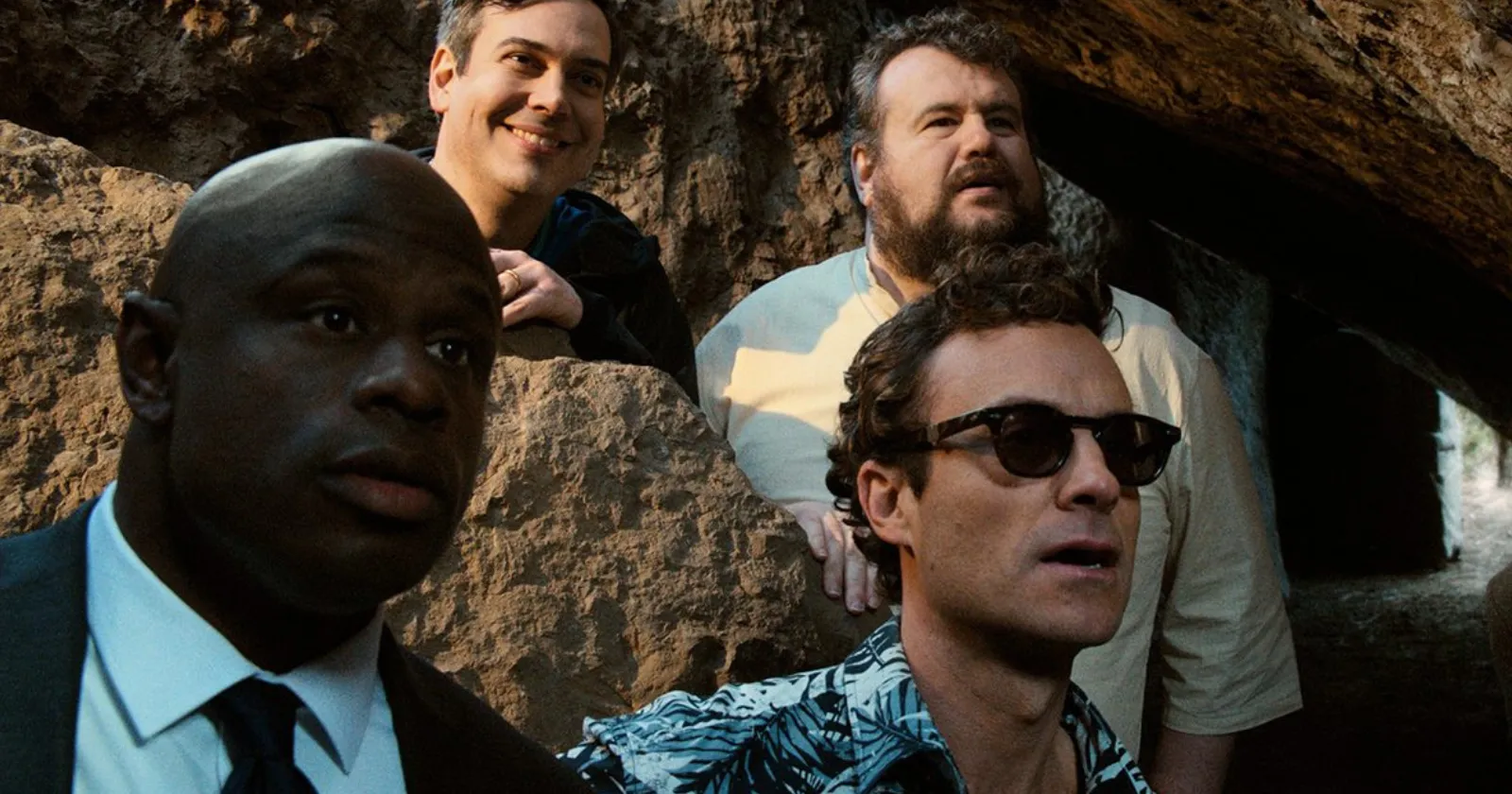 Still from The Napa Boys (2026)
If you really think about it, only the Napa Boys could have made The Napa Boys. Or at least that’s the joke at the center of Nick Corirossi’s bizarre comedy. The film presents itself as the fourth entry in a long-running franchise called The Napa Boys, complete with recurring characters, mythology, and references to previous adventures that don’t actually exist. Don’t feel bad if you find yourself checking whether you missed something twenty minutes in—that confusion is entirely intentional. Corirossi and co-writer Armen Weitzman have built the movie as a spoof of franchise filmmaking itself, creating a world where the audience is perpetually on the outside of an inside joke.
It’s an audacious premise and, in some ways, a genuinely brilliant one. The film follows a trip through California wine country while throwing out a relentless barrage of callbacks, absurdist humor, and gross-out gags. The tone feels like Sideways colliding with NSFW Wet Hot American Summer and a late-night YouTube rabbit hole. It’s aggressively silly, purposefully crass, and likely to alienate viewers who prefer their comedy a little less chaotic. The reported walkouts during its Midnight Madness premiere make a lot of sense.
What I admire most is the commitment to the bit. Corirossi and Weitzman fully buy into the concept as performers, while cinematographer Markus Mentzer gives the film a dreamy, slightly surreal look. Even the intentionally flat performances feel calibrated to resemble a sketch comedy premise stretched beyond its natural limits. There’s a confidence to the filmmaking that makes it hard not to respect, even when the jokes aren’t landing.
Unfortunately, that’s where the movie loses me. Part of the charm of sketch comedy is brevity, and over 92 minutes the humor starts to wear thin. The individual jokes rarely reach the heights of something like Wet Hot American Summer, nor do they embrace full-blown gross-out absurdity in a way that feels memorable. Instead, the experience often feels like joining a conversation that started twenty minutes before you arrived—which is exactly the point, but also the film’s biggest limitation. I suspect The Napa Boys will find a passionate cult audience, but it’s unlikely to connect with general viewers. The comedic instincts are clearly there, though, and I’m curious to see what Corirossi does next when he isn’t leaning on the fictional franchise gimmick. For now, it earns more of a polite nod than an enthusiastic recommendation.
Similar Reviews