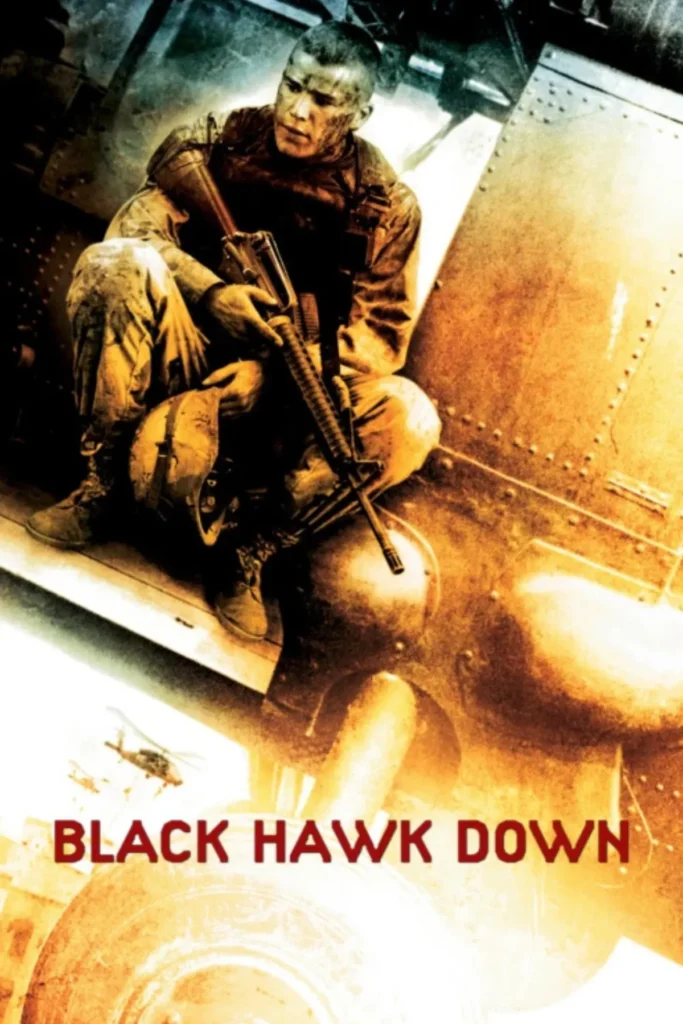
Black Hawk Down
Black Hawk Down is muscular, technically accomplished filmmaking from one of cinema’s great craftsmen, but also some of Ridley Scott’s most emotionally distancing work.
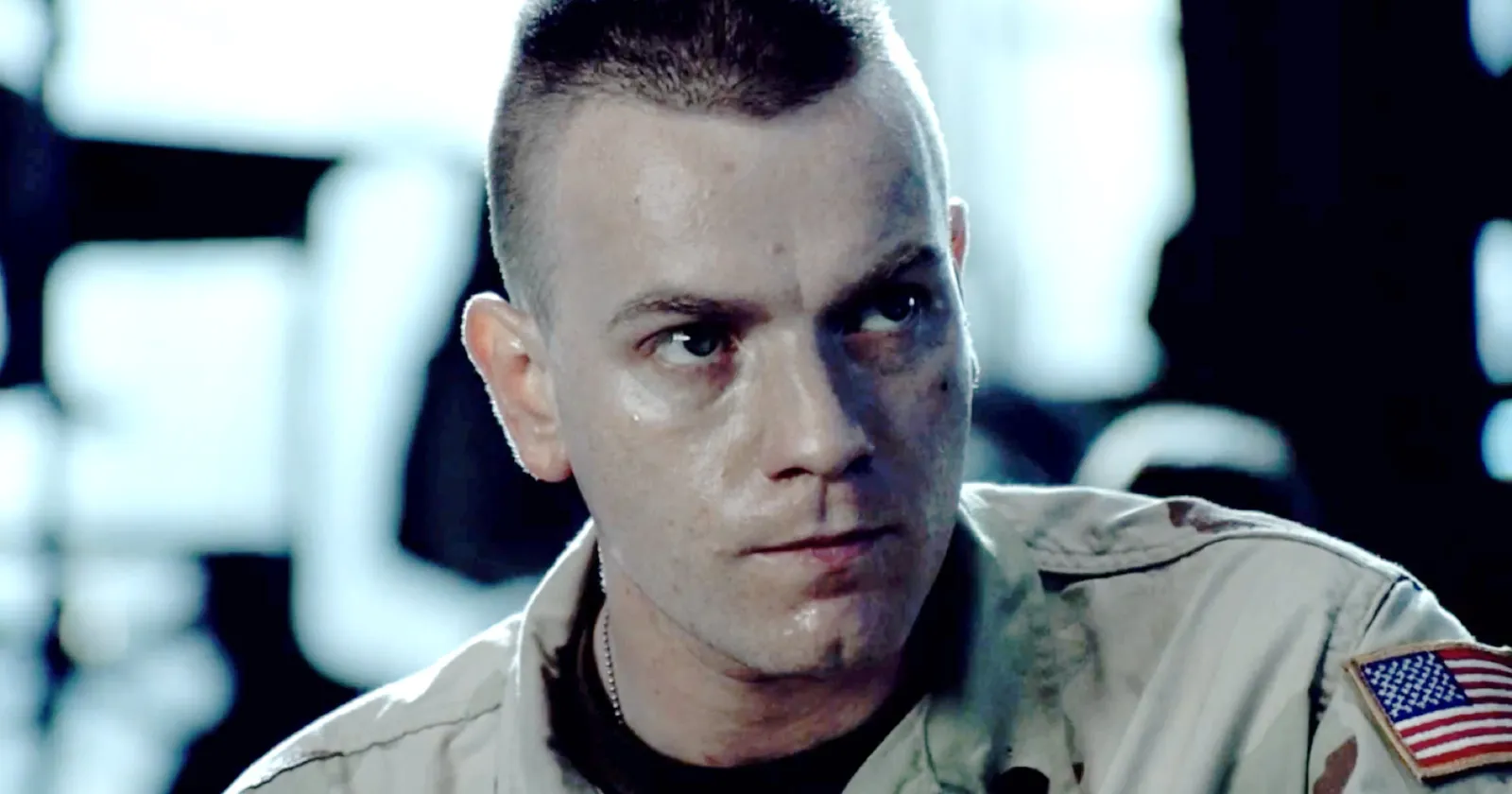 Still from Black Hawk Down (2001)
Watching Black Hawk Down for the first time in 2026 is an interesting experience. Context colors everything, and it’s difficult not to view the film through the lens of contemporary conflicts and shifting attitudes toward military intervention. What isn’t up for debate, however, is Ridley Scott’s command of large-scale filmmaking. Few directors are better at constructing immersive, overwhelming recreations of historical events, and Black Hawk Down showcases that talent in full force. Like much of Scott’s 21st-century work, it’s technically impressive to a fault, often relying on the power of its recreation more than any deeper thematic ambitions.
Where the film loses me is in its treatment of war itself. Black Hawk Down is often described as anti-war but pro-military, a distinction Scott himself has embraced, but I never found that balance convincing. The film feels less like an examination of the horrors of war and more like a justification for them. Co-produced by the U.S. government, it carries an unmistakable sense that the sacrifices depicted on screen are ultimately necessary and noble, a perspective that undermines any anti-war reading the film might be aiming for.
That tension becomes more noticeable as the film progresses. For much of its lengthy runtime, empathy feels secondary to spectacle, with the human cost of the conflict largely overshadowed by the mechanics of combat. Attempts to grapple with the tragedy of the Battle of Mogadishu arrive late and feel more like obligatory reflections than genuine reckonings. As a result, the film often mistakes necessity for empathy and spectacle for substance.
Still, the craftsmanship is undeniable. The action is visceral, relentless, and remarkably staged, while the ensemble cast serves as a fascinating time capsule of future stars, including Josh Hartnett, Eric Bana, Ewan McGregor, Jason Isaacs, Orlando Bloom, and Tom Hardy. Their collective presence helps ground the chaos even when the film’s emotional core remains elusive. Black Hawk Down is muscular, technically accomplished filmmaking from one of cinema’s great craftsmen, but also some of Ridley Scott’s most emotionally distancing work.