The Drama
The Drama earns a place alongside films like A History of Violence and Gone Girl in the “perfect life disrupted by a buried truth” subgenre.
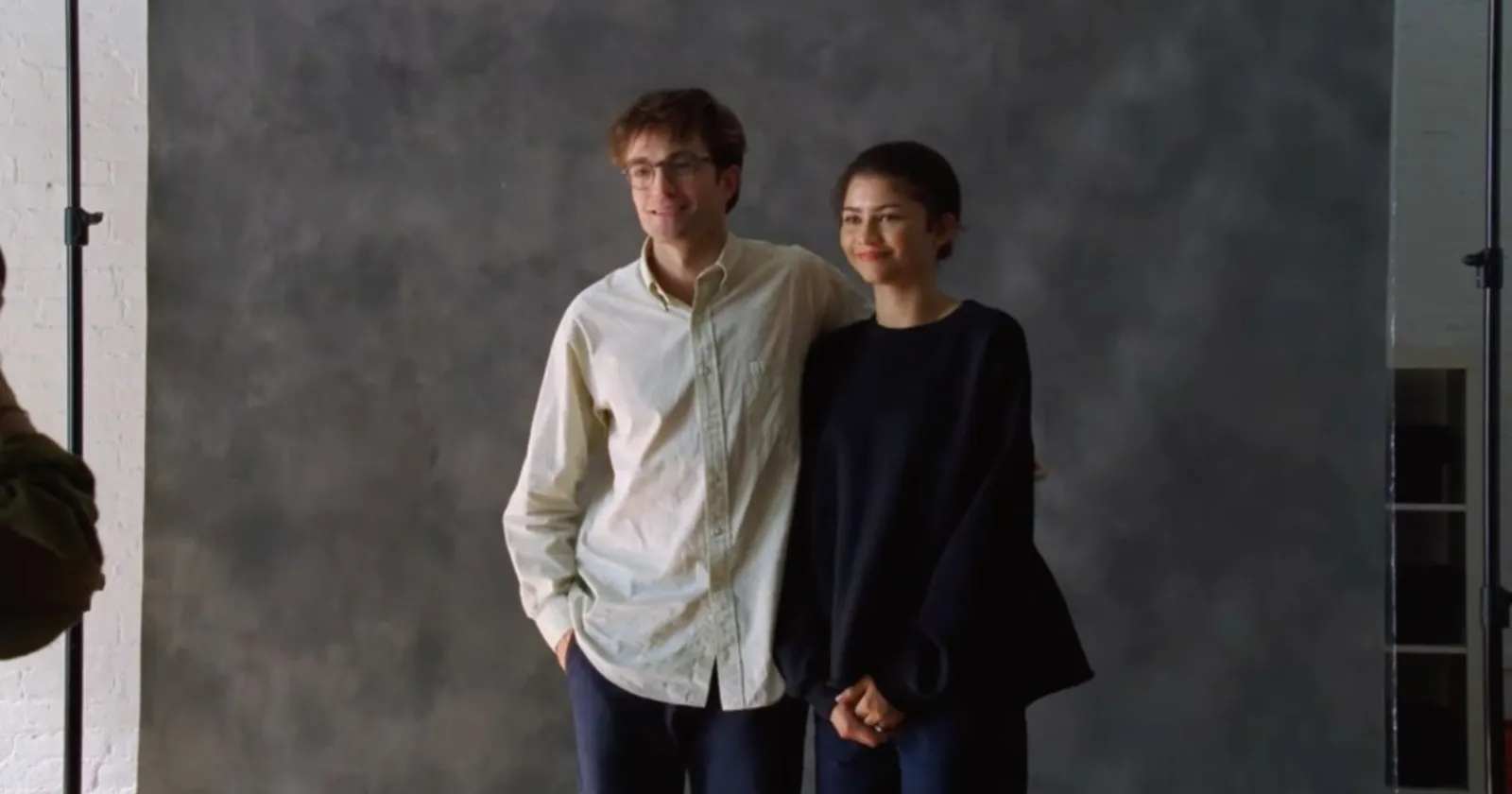 Still from The Drama (2026)
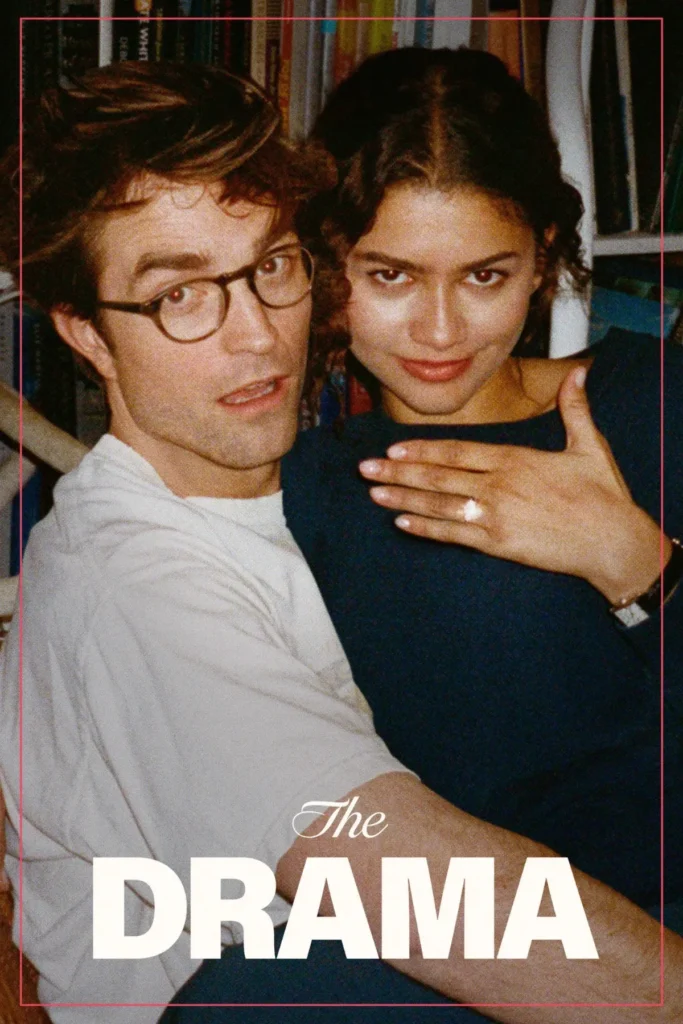
Kristoffer Borgli is quickly becoming one of cinema’s great generators of high-concept hooks. A single-sentence description of his films is often enough to grab your attention, and The Drama is no exception. Starring Zendaya and Robert Pattinson as a seemingly perfect couple days away from their wedding, the film detonates its premise through an innocent game of “What’s the Worst Thing You’ve Ever Done?” that spirals into something far darker than anyone expects. Like Dream Scenario before it, Borgli takes a provocative idea and uses it as a launching pad for a messy, uncomfortable examination of modern social anxieties.
Spoilers follow.
The film hinges on Emma’s revelation that, as a teenager, she came frighteningly close to carrying out a school shooting before abandoning the plan. Years later, after dedicating much of her life to gun control advocacy and building a stable future for herself, the confession throws her relationship and social circle into chaos. Borgli uses the premise to explore questions of shame, forgiveness, moral responsibility, and whether some actions—or near-actions—can ever truly be separated from the people who committed them. It’s an incredibly strong setup, and the film continually finds new angles from which to interrogate it.
Robert Pattinson ends up carrying much of the movie as Charlie, whose inability to process Emma’s secret sends him into a slow, increasingly absurd unraveling. It’s one of his best performances, balancing anxiety, confusion, and dark comedy with remarkable precision. Zendaya is excellent as well, though the structure ultimately sidelines Emma for stretches of the second act as the focus shifts toward Charlie’s reaction. Borgli’s frenetic editing style, with its constant crosscutting and overlapping noise, effectively creates a sense of mounting panic, even if it occasionally feels overworked.
The film wanders somewhat in its middle section, and the moral dilemma at its center remains more compelling than some of the narrative paths Borgli chooses to follow. Still, I admired the ambition of the swing. The surprisingly sweet diner-set finale lands well and helps tie together a film that often feels determined to make audiences squirm. It doesn’t fully come together, but The Drama earns a place alongside films like A History of Violence and Gone Girl in the “perfect life disrupted by a buried truth” subgenre. Even when the pieces don’t fit perfectly, Borgli remains one of the more fascinating filmmakers working today.